
Your photos are doing four separate jobs, and most homeowners only do one of them. They need to establish that a weather event happened at this address on this date, capture a baseline of the whole property before anyone touches it, record the damage at ground level where it is most legible to a non-expert, and document any water that got inside. The single highest-value set is the one almost nobody takes: dented soft metals and collateral damage at eye level, which corroborate hail size and direction without anyone leaving the ground. What photos cannot do is prove functional damage to shingles. That takes someone on the roof, and it is not you.
Here is the record worth building, and what each part of it is for.
The four jobs your photos are doing
Think of the photo set as four folders rather than one pile.
Proof of event. Something fell here, on this date. Hailstones on the lawn, debris, standing water, a timestamped video of the storm from a doorbell camera or a window.
Baseline. What the property looked like before an adjuster, a contractor, a tarp crew or a cleanup changed anything. This is the folder people wish they had later.
Damage at ground level. Everything reachable and photographable without a ladder, which turns out to be most of the useful evidence.
Interior. Water intrusion, stains, wet insulation, affected belongings.
Separating them changes what you shoot. A pile of forty close-ups of the same gutter dent is one job done four times. A folder with all four is a record.
Photograph the event, not just the damage
This is the part with a deadline. Hail melts, debris gets cleared, water dries, and within a day the only evidence that anything happened is the damage itself, which is precisely the thing that will later be argued about.
If it is safe to step outside and hail is still on the ground, photograph it next to something that gives scale. A coin, a ruler, a tape measure. Photograph several stones rather than the largest one you can find, because a set is more credible than a champion. Take a short video panning the yard.
Photograph the debris field. Branches down, shingle fragments in the grass, leaves stripped off, the direction things fell. Wind direction is legible in a photograph of a debris field and it is not legible in a description written a month later.
Get one wide shot that includes the street and, ideally, your house number, so the location of the event is established in the same frame as the event.
The Texas Department of Insurance says the same thing in its storm recovery guidance: take pictures and video of the damage, and do not throw anything away until your adjuster tells you. That last clause matters more than it sounds. Do not bin the fallen shingle, the broken screen or the dented downspout.
The ground-level evidence set, which is the one that pays
Hail does not hit only the roof. It hits everything with an upward-facing surface, and a great deal of that is at eye level where you can photograph it properly with an ordinary phone.
Work around the house and shoot each of these, wide first and then close:
- Gutters and downspouts. Dents on the top edge and the round face of a downspout are among the clearest hail evidence on a house.
- Fascia, drip edge and any exposed flashing.
- The air conditioning condenser. The aluminum fins on the outdoor unit are soft and dent visibly. This is one of the most persuasive surfaces on the property.
- Window screens, which tear and dimple.
- Soft metal anywhere else. Mailbox, garage door panels, roof vents visible from the ground, patio furniture, the grill lid, gutters on a shed, the top of a fence rail.
- Deck boards and painted wood surfaces, which mark.
- Cars, if any were parked outside during the event.
Why this set matters: these surfaces let a reviewer see hail size, hail direction and hail concentration at this specific address, without depending on anyone’s interpretation of a shingle. A roof full of marks that nobody else can corroborate is a weaker record than a roof full of marks sitting beside a dented condenser and a dimpled screen from the same event.
Then photograph the roof itself as well as you can from the ground, using the approach in how to check your roof for hail damage without climbing it. Zoom optically where your phone allows, shoot each elevation from a corner so two slopes are in frame, and take one clean wide shot of each side of the house.
Inside the house and inside the attic hatch
Interior evidence establishes consequence, which is a separate argument from cause.
Photograph any ceiling stain with the room visible so its location is identifiable, then close for detail. Photograph water marks on walls, damp carpet, affected furniture and belongings. If a stain is growing, photograph it more than once with a visible timestamp so the progression is on record.
At the attic hatch, open it, use a strong light, and photograph what you can see from the opening: daylight coming through the deck, wet or matted insulation, dark staining on the underside of the decking, water tracking down a rafter. Do not walk into an attic to chase a leak. Attic framing is not a floor, the insulation hides the joists, and a foot through a ceiling is the routine outcome. Look from the hatch and photograph from the hatch.
Settings, timing and file handling
- Turn on timestamps and location in your camera settings before you start, or confirm the metadata is being recorded.
- Shoot wide, then close, for everything. A close-up of a dent with nothing around it can be a dent on any house in America. Wide-then-close ties detail to place.
- Include undamaged material in the frame next to damaged material. Contrast is what makes damage legible to someone who was not there.
- Do not edit, crop, enhance, filter or annotate the originals. Keep the untouched files. Make copies if you want to mark them up.
- Back them up somewhere that is not the phone, on the day. Claims outlive phones.
- Write a one-line note per photo while you still remember: what it is, where it is, when.
- Keep receipts for anything you spend on emergency measures, which is a separate but parallel record. That obligation is explained in emergency tarping: what it costs and who should do it.
What your photos cannot prove, and who proves it
Be realistic about the ceiling on this.
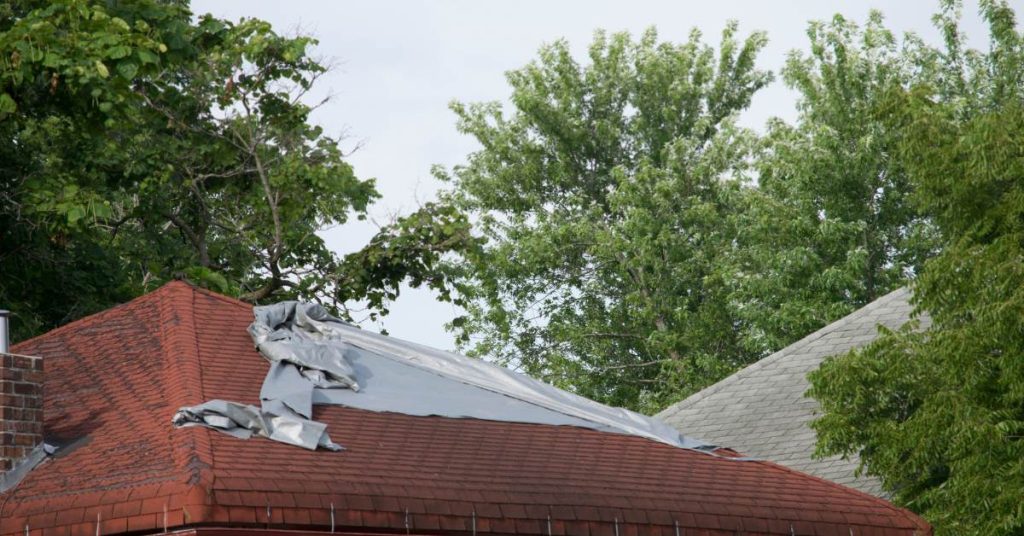
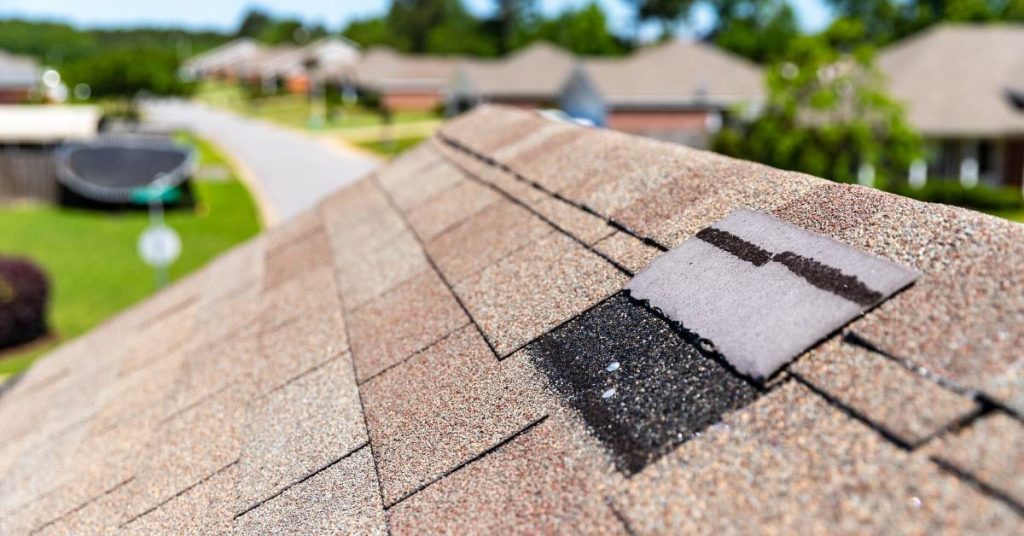
Ground-level photographs, however good, will generally not establish functional hail damage to shingles. Functional damage means a bruise where the mat under the surface has fractured, or a crack, or a break that compromises the shingle’s ability to shed water. It is frequently invisible from thirty feet away and is sometimes found by touch as much as by sight. A photo of a shingle from the driveway does not resolve it, and neither does a phone zoom.
That distinction is what a claim on a hail-damaged roof usually turns on, and it is worked through in functional vs cosmetic hail damage. The method used to count it is in the test square: the rule adjusters use, explained. And whether the hail that fell was even capable of doing that is covered in what size hail actually damages a roof.
Your job is not to prove the roof. Your job is to make sure that when a qualified person does get on the roof, there is already an independent, dated, untouched record of the event and of everything else it hit. That record is what makes a later disagreement resolvable.
For the full sequence in the days after a storm, start at Hail Just Hit Your Roof: What to Do in the First 72 Hours. More on why this site publishes limits rather than confidence is on the about page.
FAQ
Do I need professional photos for an insurance claim?
No. A modern phone is sufficient for everything described here. What matters is coverage, timing and that the files are unedited, not image quality.
Should I take photos before or after the adjuster visits?
Before, and ideally before anyone at all has been on the property. A pre-inspection baseline is the thing that lets you compare later. Keep photographing as the process continues, including after any temporary cover goes on.
Can I use a drone to photograph my roof?
Some homeowners do, and it avoids the safety problem entirely. Recreational drone operation is subject to federal rules and to local restrictions, so check the current requirements before flying. It still will not resolve functional versus cosmetic damage, which is a close-range and often tactile assessment.
My phone photos have no timestamp. Is the record useless?
No. Metadata is helpful, not essential. Contemporaneous notes, messages sent to family on the day, doorbell footage and dated weather records all establish timing. Finding the date of the event itself is covered in which storm was it? matching damage to a dated hail event.