
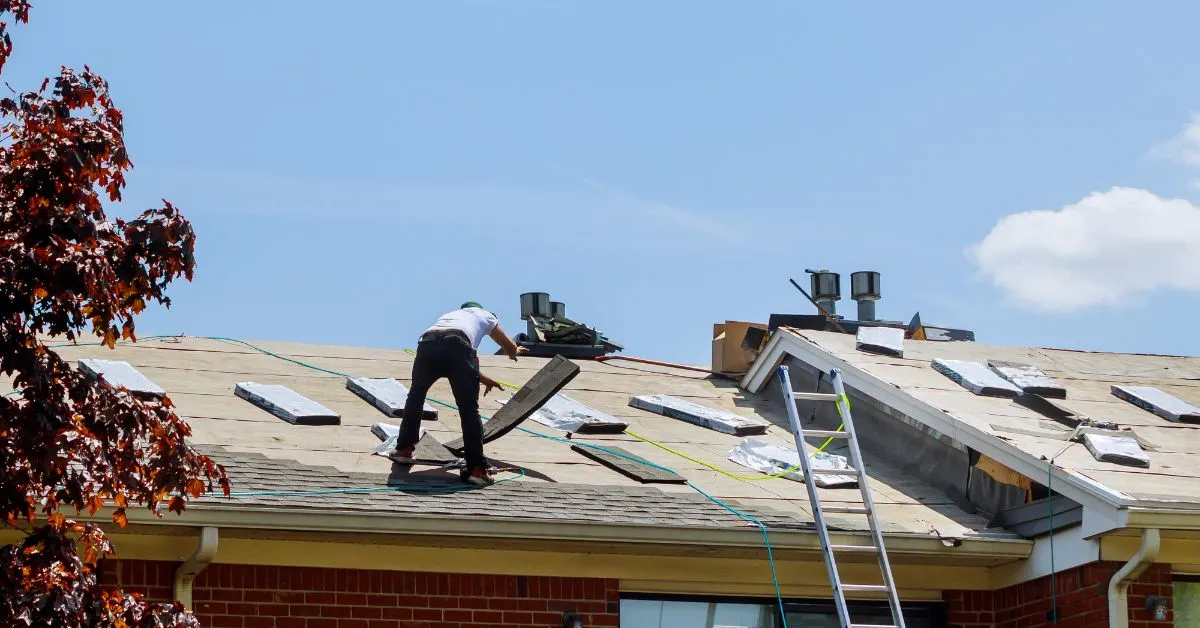
The hail stopped, so here is the order that actually matters. Stay off the roof and wait for the weather to fully clear. Walk the inside of your house first and check ceilings, closets, and the attic for new water stains. Then look at the roof from the ground, with binoculars if you have them, and photograph the gutters, vents, AC unit, and any dented soft metal along with whatever you can see of the shingles. Do not sign anything with anyone who knocks on your door in the next few days. Then, and only then, decide whether the damage looks real enough to call a professional inspector. Most of what happens in the first 72 hours is documentation, not decisions.
That order is deliberate. A lot of guides jump straight to "call a roofer now," which is exactly the instinct that a storm-chasing crew is counting on. This one starts with your own eyes and your own camera, because the person who documents first ends up in a much stronger position, whether a claim happens or not.
The first hour: what actually matters right now
Do not go outside until the storm has genuinely passed. Hail events often carry damaging wind and lightning risk on either side of the hail itself, and a second wave is common. Once it is safe:
- Check on people first. Then check for anything urgent indoors, like an active leak dripping onto a ceiling or an electrical fixture.
- Look outside from a window or the doorway. You do not need to walk the yard yet.
- Note the time and, if you can, the approximate hail size (marble, quarter, golf ball) while it is fresh. You will use this later to help date the event.
That is genuinely all the first hour needs. Everything else can wait until daylight if the storm hit at night.
Timeline: what to do, in order
| When | What to do | Why it matters |
|---|---|---|
| First hour | Confirm everyone is safe. Note the time and rough hail size. Do not go on the roof. | Establishes the record before anything gets cleaned up or blown around. |
| First 24 hours | Check the inside of the house. Photograph the outside from the ground. Check soft metal (gutters, vents, AC fins) for dents. | Indoor leaks are urgent regardless of what the roof looks like. Ground photos and soft-metal dents are evidence that survives even if the roof itself is hard to read from below. |
| Next 24 to 72 hours | Decide if the damage looks worth a professional look. Watch your door for storm chasers. Start figuring out your policy's deductible if you think a claim is coming. | This is the window where pressure peaks, both from your own anxiety and from crews working the neighborhood. Slowing down here is the whole game. |
| After 72 hours | If you are calling for an inspection or a claim, do it now rather than later. Fresher documentation is stronger documentation. | Damage does not improve with time, and neither does your ability to prove exactly when it happened. |
Check inside the house before you look at the roof
This is the step most checklists bury, and it should not be. A ceiling stain, a musty smell in a closet, or water at the base of an attic vent tells you something a shingle you cannot properly see from the ground does not: whether water is already getting in.
Walk every room with a ceiling below the attic, especially top-floor rooms and anywhere near a chimney, skylight, or vent stack. Look up in closets, since a slow leak often shows there first. If you have attic access and it is safe to use it, a flashlight check for wet insulation or dark streaking on the underside of the roof deck is worth five minutes. If you find active water coming in, that changes the priority: get it contained with buckets or a tarp over the interior side, and treat the inspection step below as urgent rather than routine.
Finding nothing indoors is good news, but it does not mean the roof is fine. It means you have more time to do this calmly instead of in a panic.
Look from the ground. Do not climb up there.
Do not climb onto the roof. A roof surface after hail and rain is slick, you likely are not insured to be up there, and you do not need to be. Everything useful at this stage can be seen or inferred from the ground.
Walk the perimeter of the house and look up with binoculars if you have them. You are looking for the obvious stuff: missing or visibly displaced shingles, a slope that looks different in color or texture from the rest of the roof, debris in the gutters or on the ground that looks like shingle granules. Then check everything at eye level that hail also hits: gutters, downspouts, roof vents, the AC condenser's fins, window screens, the mailbox, and outdoor furniture. Dented soft metal is one of the most useful things you can document, because it proves hail large enough to matter actually fell on your property, even on days when the shingles themselves are hard to read from the ground.
If you cannot tell from the ground whether the roof itself took real damage, that uncertainty is normal and it is fine. The ground check is about establishing that something happened and preserving evidence, not about diagnosing the roof yourself. For a slower, more systematic version of this same ground-level read (including what specific marks mean), see our full breakdown on checking your roof for hail damage without climbing it.
Document everything, including the things that are not the roof
Photos and video, timestamped by your phone, are the single most useful thing you produce in these first 72 hours. Get:
- Wide shots of every roof slope from multiple angles, and closer shots of anything that looks off.
- Every dent in gutters, vents, flashing, and the AC unit.
- Any hail that is still on the ground, with something for scale, if it happened recently enough.
- Interior shots of any water stain, drip, or damp spot, even a small one.
- The date and rough time of the storm, written down somewhere you will not lose it.
Keep the originals. Do not let anyone, including a friendly contractor, talk you into deleting anything or into tearing off shingles before this documentation exists. If a claim ends up hinging on whether the damage was functional or merely cosmetic, and whether it happened in this storm versus some other one, this file is what you will lean on. Our guide to functional versus cosmetic hail damage covers exactly which distinction ends up mattering to an insurer.
Should you even call anyone yet?
Not necessarily, and this is the part the roofing-company guides tend to skip, because a slow answer does not sell an inspection. If your ground check and interior check turned up nothing, no dented metal, no missing shingles, no water inside, it is entirely reasonable to hold off, keep your photos, and watch the roof for a few weeks rather than book an inspection out of pure anxiety. A storm rolling through does not automatically mean your specific roof took damage worth acting on.
If you did find dented soft metal, missing shingles, or any sign of water indoors, that is the point to get a real inspection, and ideally to have that inspection and any insurance adjuster visit happen before anyone starts tearing shingles off. The decision between repairing what is there and replacing the roof entirely is its own question, covered in full in hail damage: repair or replace, and it is not one you need to answer in these first 72 hours. Right now the job is documentation, not decisions.
Watch your porch: the door-knockers start within hours
In DFW and across Texas hail country, contractors start knocking on doors within a day or two of a significant storm, sometimes faster. Some are legitimate local companies working a neighborhood that clearly took damage. Some are not. Either way, nothing about the first 72 hours requires you to sign anything on your porch, and the pressure to do so right now is itself a signal worth reading. Our full breakdown of storm chaser red flags covers exactly how to sort a legitimate local crew from a problem in about five minutes, including the one offer (waiving your deductible) that is against the law in Texas under House Bill 2102.
What NOT to do in the first 72 hours
- Do not climb onto the roof, at any point, for any reason. That is what an inspector or adjuster is for.
- Do not sign a contract, an assignment of benefits, or anything else at the door, no matter how urgent it sounds.
- Do not let anyone tear off shingles or remove debris before you and, if applicable, an adjuster have documented the damage.
- Do not agree to have your deductible "waived" or "eaten." In Texas that is not a favor, it is illegal.
- Do not assume you must file a claim just because a storm happened. That decision comes after you know what you are actually looking at.
The rest of this guide: every storm-damage question, in order
The first 72 hours are documentation. Everything below is what comes after, each one covered in full on its own page.
Working out whether the damage is real
- How to check your roof for hail damage without climbing it
- Functional vs cosmetic hail damage: the only distinction that gets paid
- What size hail actually damages an asphalt roof
- The test square: the rule adjusters use, explained
- Your whole street is getting new roofs. Should you assume you need one?
When water is coming in tonight
- Missing shingles after a windstorm: urgent or not?
- Emergency tarping: what it costs, who should do it, and why not you
Building the record and the claim
- Photographing storm damage so it survives an adjuster's review
- Which storm was it? Matching damage to a dated hail event
- Wind damage and hail damage are not the same claim
- How long after a storm can you still claim in Texas?
Deciding what to do about it
- Hail damage: repair or replace, decided like a roofer does it
- Should you even file that roof insurance claim?
If you want to understand why this site exists and why it is written this way, with nothing to sell you, that is on the about page, and our full recommendation methodology is laid out in how we decide what gets recommended on this site.
FAQ
Do I have to file an insurance claim right after a hailstorm?
No. Filing is a separate decision from documenting. Take your photos and do your ground and interior checks first, then decide whether the damage looks like it is worth a claim. Filing on damage that turns out to be purely cosmetic can do more harm than good over time, since a claim history follows the property.
How soon does a roof inspection need to happen after hail?
There is no fixed legal deadline for calling an inspector, but sooner is generally better because evidence is freshest and easier to date. If you found nothing concerning in your ground and interior checks, waiting a couple of weeks to see if anything develops is reasonable. If you found dented metal or a leak, get a real inspection promptly.
Is it safe to go up and look at the roof myself?
No. Wet or storm-damaged roofing is slick and unpredictable, and you are very likely not insured to be up there. Everything you need in the first 72 hours (documentation, a decision on whether to call anyone) can be done from the ground and from inside the house.
A contractor already knocked and says I need to sign today. Do I?
No. A legitimate local roofer will give you room to think, verify them, and get a second opinion. Pressure to sign immediately, especially anything involving your insurance deductible, is one of the clearest warning signs there is.
What if I find damage but I am not sure it is from hail?
Photograph it anyway and note when you first noticed it. Distinguishing hail damage from wind damage, age, or something unrelated is exactly what a professional inspection and, if a claim is filed, an adjuster's review are for. You do not need to make that call yourself in the first 72 hours.