

Yes, you can file a second hail claim on the same roof in the same year. Each storm is its own claim with its own deductible, and the adjuster on the second claim will look for damage that might already exist from the first. Photos taken between the two storms keep the claims from blurring together. Texas gives you a complaint path and a policy appraisal clause; your premium and coverage specifics come down to your own policy.
This happens more often than people expect in a state with an active hail season, and it is genuinely more complicated to prove than a first claim, not because anyone is doing anything wrong, but because of how documentation and timing work.
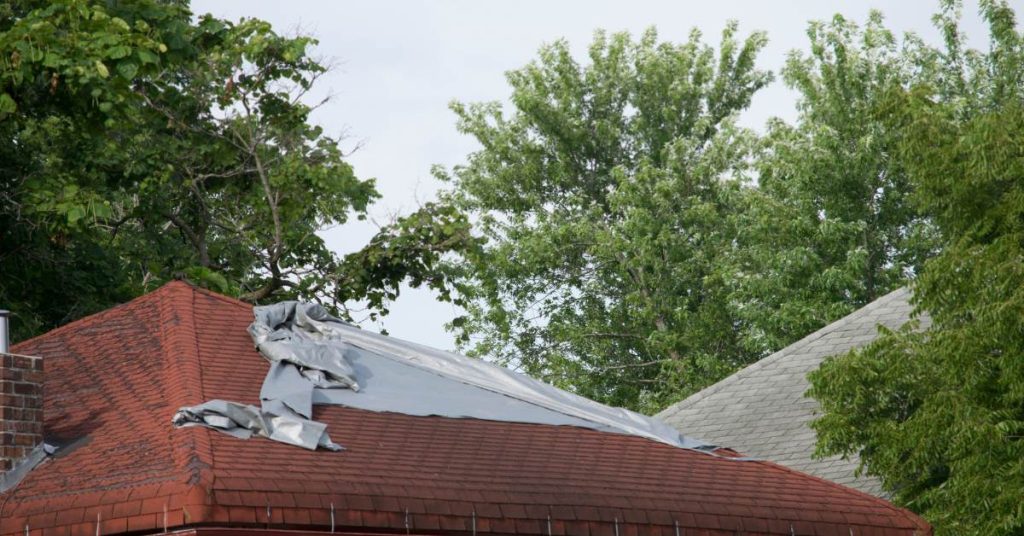
Why this happens more than people expect in a hail state
Texas gets more hail events in a given year than most of the country, and DFW in particular can see more than one significant hailstorm in a single season. A roof that took a hit in the spring and has not been fully repaired yet by the time a second storm rolls through in the summer is not a rare situation. It is common enough that insurers and adjusters have a standard way of handling it, even if the SERP results a homeowner finds rarely explain what that actually looks like in practice.
Each storm is its own claim, and that usually means its own deductible
A second hailstorm is a separate date of loss from the first, even on the same roof, even in the same policy year. That generally means it is processed as its own claim, with its own deductible applied, whether your policy uses a flat dollar deductible or a percentage-based wind and hail deductible. The number itself is on your declarations page, not something this article states as a figure. The point that matters here is structural: a second storm does not simply add onto the first claim’s deductible, it triggers its own.
When an adjuster disputes which storm caused what, and why photos between the two events matter
If repairs from the first storm have not been completed by the time the second one hits, the adjuster inspecting the second claim has a real documentation problem, not a moral one. A roof with an open or recently repaired first claim already has marks on it, and separating storm one’s damage, storm two’s damage, and ordinary wear is a genuine evidentiary challenge, not a formality.
This is where dated photos from between the two storms become the most useful thing you have. If you photographed the roof after the first claim was filed, before the second storm hit, those photos establish a baseline: this is what the roof looked like on this date. Anything new after the second storm that was not in those photos is much easier to attribute correctly. Without that baseline, you are relying on the adjuster’s judgment call about what belongs to which event, which is a harder position to be in.
Documentation that keeps two claims from blurring into one argument
Treat the two claims as two separate files from the start. Keep the paperwork, the claim number, and the photo set for the first storm separate from the second, even if the same roof and the same adjuster are involved in both.
Photograph the roof as soon as practical after the first storm, again once the first claim is filed and before any repair work begins, and then again immediately after the second storm hits, before anyone touches anything. If the first storm’s repairs were completed before the second storm, that completion documentation, whatever the roofer or your own photos show, is worth keeping as its own baseline too. The general documentation discipline that applies to every claim in this cluster, photograph everything, do not let repairs start before the adjuster has seen the damage, applies here twice over, once per storm.
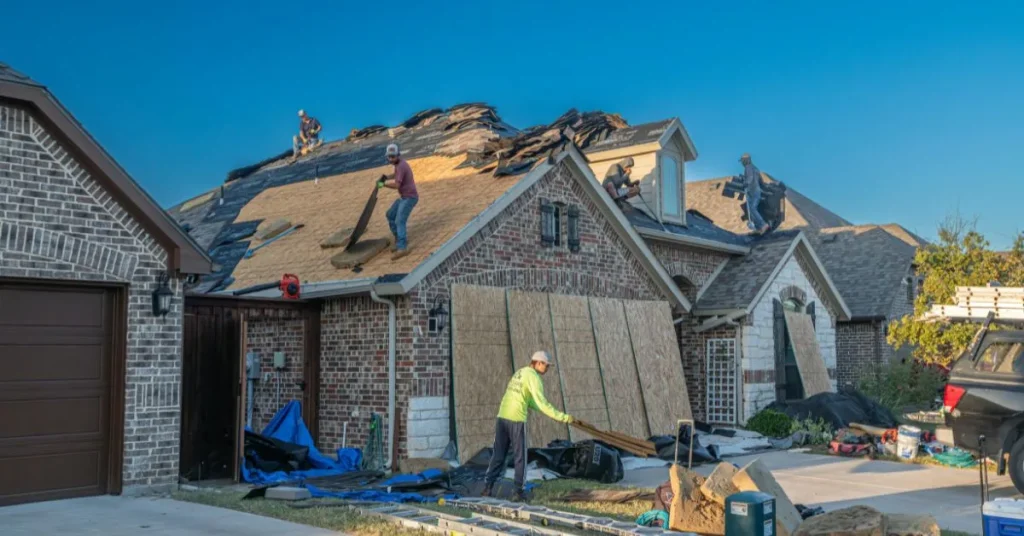
What Texas actually protects you from here, and what needs your own policy to answer
Texas Insurance Code Section 551.107 governs when an insurer can apply a premium surcharge tied specifically to your claims history on a standard homeowners policy: an insurer may assess that kind of surcharge at renewal only if you have filed two or more claims in the preceding three policy years, and the statute explicitly excludes from that count any claim resulting from a loss caused by natural causes, which covers hail and windstorm claims. That is a narrower and more specific protection than the blanket “Texas prohibits a rate increase after one claim” line that circulates on some sites, and it does not mean your premium cannot change for other reasons, such as a broader rate filing that applies to all policyholders in your area, or the cost of rebuilding materials generally. For how your own premium and renewal terms are actually affected, your policy and your agent are the source, not a general article.
If you believe an insurer has mishandled either claim, the Texas Department of Insurance takes consumer complaints and has published insurer response timelines that apply regardless of how many claims you have open: an insurer generally must acknowledge a claim within 15 business days and, after receiving what it needs to evaluate it, accept or reject it within another 15 business days, a period that can be extended by up to 45 days with a written reason (TDI). If the dollar amount on either claim is disputed rather than the coverage decision itself, most standard Texas homeowners policies include an appraisal clause built for exactly that kind of disagreement; how to invoke it is a question for your policy language and, if needed, your agent or an attorney.
FAQ
Do I have to file the second claim with the same adjuster as the first?
Not necessarily; that depends on your insurer’s process, not a rule this article can state generally. What matters more is that your documentation clearly separates the two events regardless of who is assigned to either claim.
Will filing two hail claims in one year definitely raise my premium?
It can, but Texas Insurance Code Section 551.107 specifically excludes weather-related claims caused by natural causes, which includes hail, from the claims count that triggers a claims-based surcharge under that statute. Your premium can still move for other, unrelated reasons tied to your insurer’s broader rate filings. Your policy and agent are the actual source for what happens to your specific premium.
What if the adjuster says some of the damage is from the first storm, not the second?
This is exactly the scenario dated photos between the two storms are meant to address. If you have a clear before-and-after record for each event, that documentation is your strongest tool. This article cannot predict how any specific dispute will resolve.
Is there a limit to how many hail claims I can file in Texas?
There is no fixed cap on the number of claims stated in this article, but repeated claims can affect renewal terms and premium under Texas Insurance Code Section 551.107 once you cross the two-claims-in-three-years threshold for non-excluded claim types. Your policy’s own renewal terms are the specific answer for your situation.
Related reading: Start with Hail Just Hit Your Roof: What to Do in the First 72 Hours for the full sequence. If you are not sure how much time you have to file either claim, see how long you can still claim after a storm in Texas, and if you need to pin down which storm caused which damage, matching damage to a dated hail event walks through how to establish that. If you have not decided whether the second event is even worth filing on, work through that decision here. Background on this site is on the About page.