
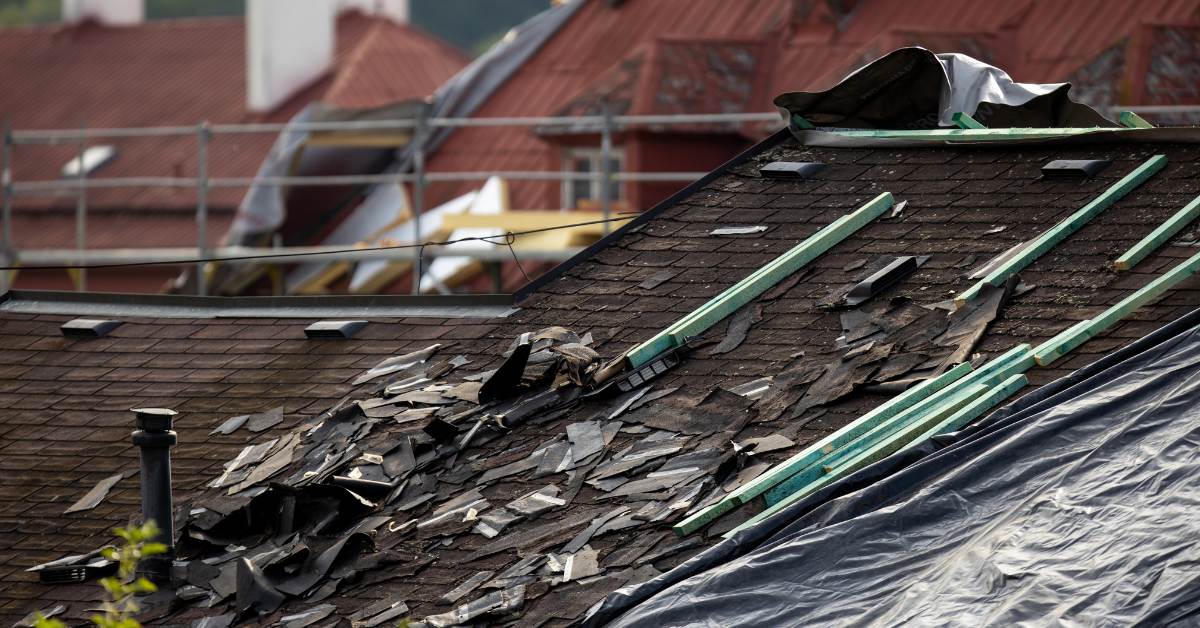
Roof vent hail damage usually shows up as a dented or cracked plastic or metal cap, easy to spot from the ground with a zoomed photo. Skylight damage is different: it is often a cracked or loosened seal with no visible hail mark at all. Flashing damage is the trickiest of the three, since it frequently looks fine from a distance and is not. All three deserve their own look, separate from the shingle field.
Most hail damage checklists count dents on shingles and stop there. An adjuster walking a roof after a claim is trained to look wider, but a homeowner doing a first pass from the ground almost never is. That gap is where real, payable damage gets missed.
Why vents, skylights and flashing fail differently than the shingle field
An asphalt shingle is a laminated mat with a mineral-granule surface. It absorbs a glancing hail hit reasonably well and only shows real damage when the impact is hard enough to bruise or displace the mat itself. Vents, skylights and flashing are built from completely different materials, and that is the whole reason they belong in their own conversation.
Roof vents are usually stamped sheet metal or molded plastic. Both are more brittle under a direct hit than a shingle mat is. A hailstone that only dents a shingle can crack a plastic vent cap outright or leave a visible dish-shaped dent in a metal one.
Skylights are a seal question more than a hail-size question. The glazing itself, glass or acrylic, can crack under a hard enough hit, but far more often a skylight fails because the perimeter seal or the flashing around its frame loosens. Wind-driven rain during the same storm can push water past a compromised seal with no hail mark anywhere near it.
Flashing is thin, formed metal, doing a job no other roofing material does: bridging the gap between two different surfaces, like a chimney and the roof plane, or a dormer wall and the shingles around it. Hail can dent it, lift an edge, or separate it slightly from what it laps against. None of that always looks dramatic. It just quietly stops doing its job.

Roof vents: what a dented or cracked cover means
Plumbing stack vents, exhaust vents and ridge vent covers are the most common vent types on a Texas asphalt roof. After a hailstorm, look for visible dents, especially a dish-shaped depression on a metal cap, or cracks and chips on a plastic one.
A dent by itself is not automatically a leak. What matters is whether the impact broke the seal where the vent meets the roof deck, or cracked the material enough for water to find a path through. A cracked plastic vent boot is the more urgent of the two, because the crack itself is often the leak path, not just evidence that one exists.
This is one of the easier checks to do without going up. A zoomed phone photo from the ground, or a look from an upstairs window with binoculars, is usually enough to see whether a vent cap has visible damage. It will not tell you whether the seal underneath failed. That part is a closer look, and a closer look at anything on the roof plane is a professional’s job, not a homeowner’s.
Skylights: the seal failure a photo often cannot show
A skylight can fail from the same storm that produced no visible hail marks on it at all. Wind-driven rain during a hailstorm is often the actual cause of a skylight leak, working its way past a seal that hail loosened without ever cracking the glazing.
From the ground, look at the skylight’s exterior frame and the flashing immediately around it for anything obviously bent, lifted, or missing. From inside the house, the more reliable early sign is water staining on the drywall or trim around the skylight opening, which shows up after the fact rather than during the storm itself.
What a homeowner cannot reliably check, from the ground or from inside, is whether the seal itself has actually failed versus just looks intact. That distinction needs someone examining the frame and flashing up close, which is exactly the kind of inspection this site’s position is consistent about: it is a professional’s job, not a ladder trip for the homeowner.
Flashing: the small metal strip that decides whether water gets in
Flashing shows up at every place the roof plane meets something else: chimneys, dormer walls, skylight perimeters, and valleys where two roof slopes come together. It is a small amount of material doing an outsized job, and it is the component most often skipped in a first-pass damage check because it blends visually into the surfaces around it.
Hail can dent flashing, lift an edge away from the surface it laps against, or work a fastener loose. None of those failures necessarily look like damage from a distance. A dent that would be obvious on a bare shingle can be nearly invisible on a formed metal flashing strip photographed from the ground.
This is the component this article exists to name plainly: flashing is the one most likely to be quietly missed, and the one where a “it looks fine” ground assessment is least reliable. Confirming flashing condition up close is a roofer’s inspection, not a homeowner’s guess from the yard.
What you can actually check from the ground or a window, and what cannot be checked that way
Nobody should be climbing onto the roof to check any of this. That is the working assumption behind everything above and it holds for vents, skylights and flashing exactly as it does for the shingle field.
From the ground, a window, or with binoculars or a zoomed phone camera, you can reasonably check:
- Vent caps for visible dents, cracks or missing pieces
- The skylight’s exterior frame for anything obviously bent or displaced
- Flashing lines at roof-to-wall intersections that are visible from an adjacent upstairs window, photographed with a zoom lens
- Interior ceiling and trim around skylights and chimneys for new water staining
What cannot be reliably checked that way: whether a vent boot’s seal has actually failed underneath a dent, whether a skylight’s perimeter seal is intact, and whether flashing has lifted or separated at a lap joint. All three of those require someone examining the material up close, on the roof. That is the point where this article stops and a licensed roofer’s inspection starts.
Photographing this so it does not get skipped in the claim

A photo set built around the shingle field, with vents, skylights and flashing as an afterthought, is the single most common way this damage gets left out of a claim. Treat these three as their own category of evidence, not a footnote to the shingle photos.
For each vent, take a wide shot showing where it sits on the roof and a close, zoomed shot of the visible dent or crack. For the skylight, photograph the exterior frame from at least two angles and pair it with an interior shot of the ceiling or trim if any staining is present. For flashing, photograph every visible run: chimney, valleys, any dormer or wall intersection, even where nothing looks obviously wrong, because a comparison photo from before the storm or from a neighboring, undamaged run can matter later.
Date every photo, either through the phone’s own metadata or by writing the date directly into a note taken alongside the photo set. None of this is a substitute for a professional walking the roof and confirming what these ground-level photos only suggest, but a documented, organized set of them is what keeps this category of damage from being skipped entirely.
FAQ
Can hail damage a roof vent without denting the shingles around it?
Yes. A vent cap is a different material than the shingle field and can crack or dent from an impact that only glances off the shingles nearby. That is exactly why it needs its own look rather than being assumed fine because the surrounding shingles look fine.
Do I need to see a hail mark on my skylight for it to have storm damage?
No. A skylight can develop a leak from a seal that loosened during the same storm, with no visible hail mark on the glazing or frame at all. Interior water staining around the skylight opening is often the first real sign.
How do I know if my flashing was damaged if it looks fine from the ground?
You generally cannot know for certain from the ground. A ground or window check can show a flashing strip that is obviously bent or missing, but it cannot confirm a lifted edge or a separated lap joint. That confirmation needs a licensed roofer’s up-close inspection.
Should I mention vents, skylights and flashing separately when I talk to my insurance company?
It is reasonable to note that you want these specific components included in the inspection, since they are commonly under-documented in claims. This article does not predict what an adjuster will or will not approve; that is a question for the inspection and your policy, not for a ground-level checklist.
Related reading: Start with Hail Just Hit Your Roof: What to Do in the First 72 Hours for the full sequence. Before this page, most readers have already worked through how to check your roof for hail damage without climbing it and the test square adjusters use. Once you have photos of all three components, document the damage so it survives an adjuster’s review. Background on how this site decides what to publish is on the About page.